Tempo Goblet Squat
Pillar 1 · Squat pattern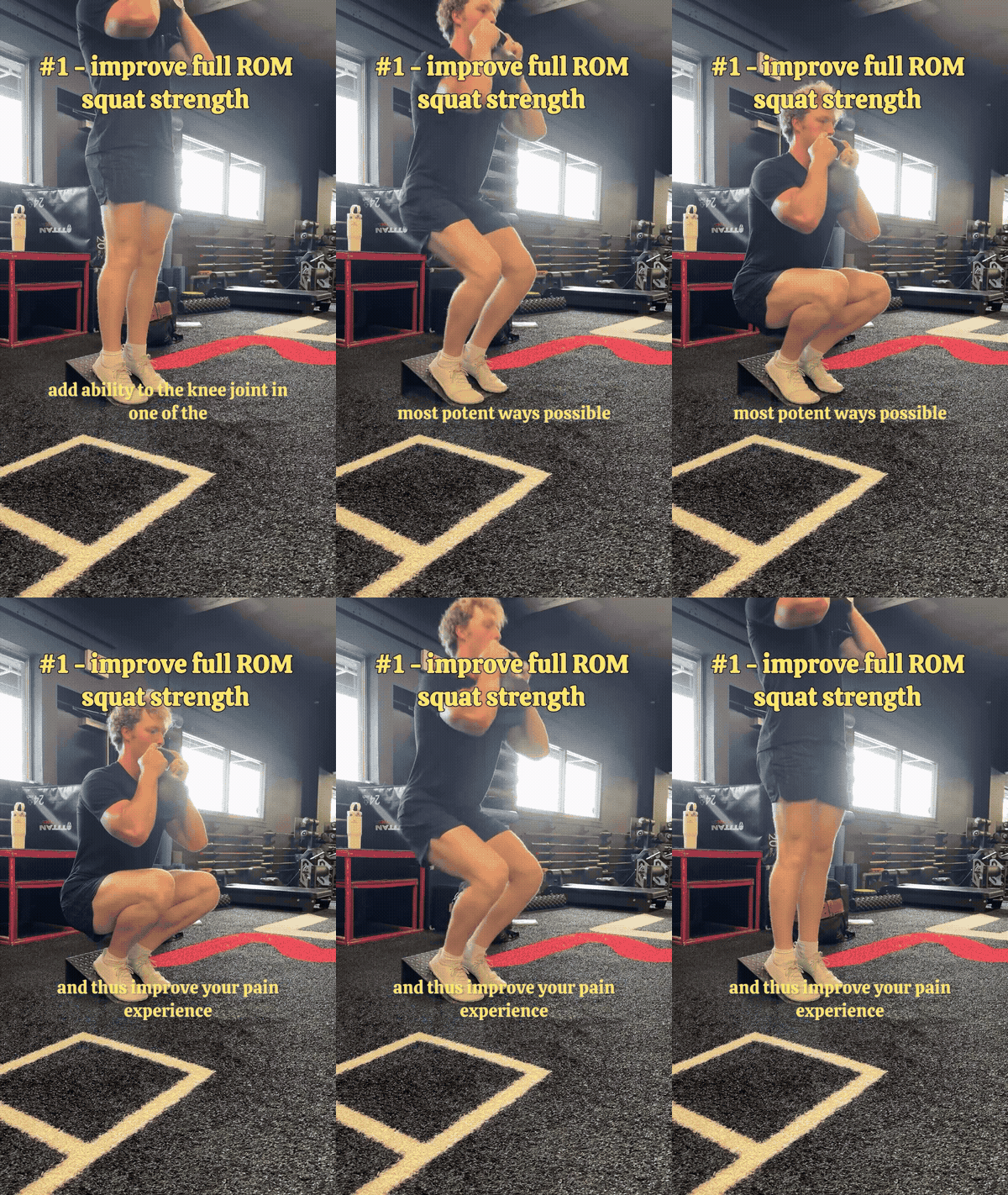
Adding strength in the squat position is the most potent way to add capacity to a knee joint. Tempo keeps it about control — not about how much you can load.
- Hold the load at your chest, elbows tucked, torso tall
- Heels down, sit down and between your hips — full range, no bounce
- 3 seconds down · 1 second pause at the bottom · drive up
- Start light. If it's pain-free, add small jumps in load, never in speed
Regressed Squat — Bodyweight or Assisted
Pillar 1 · Entry point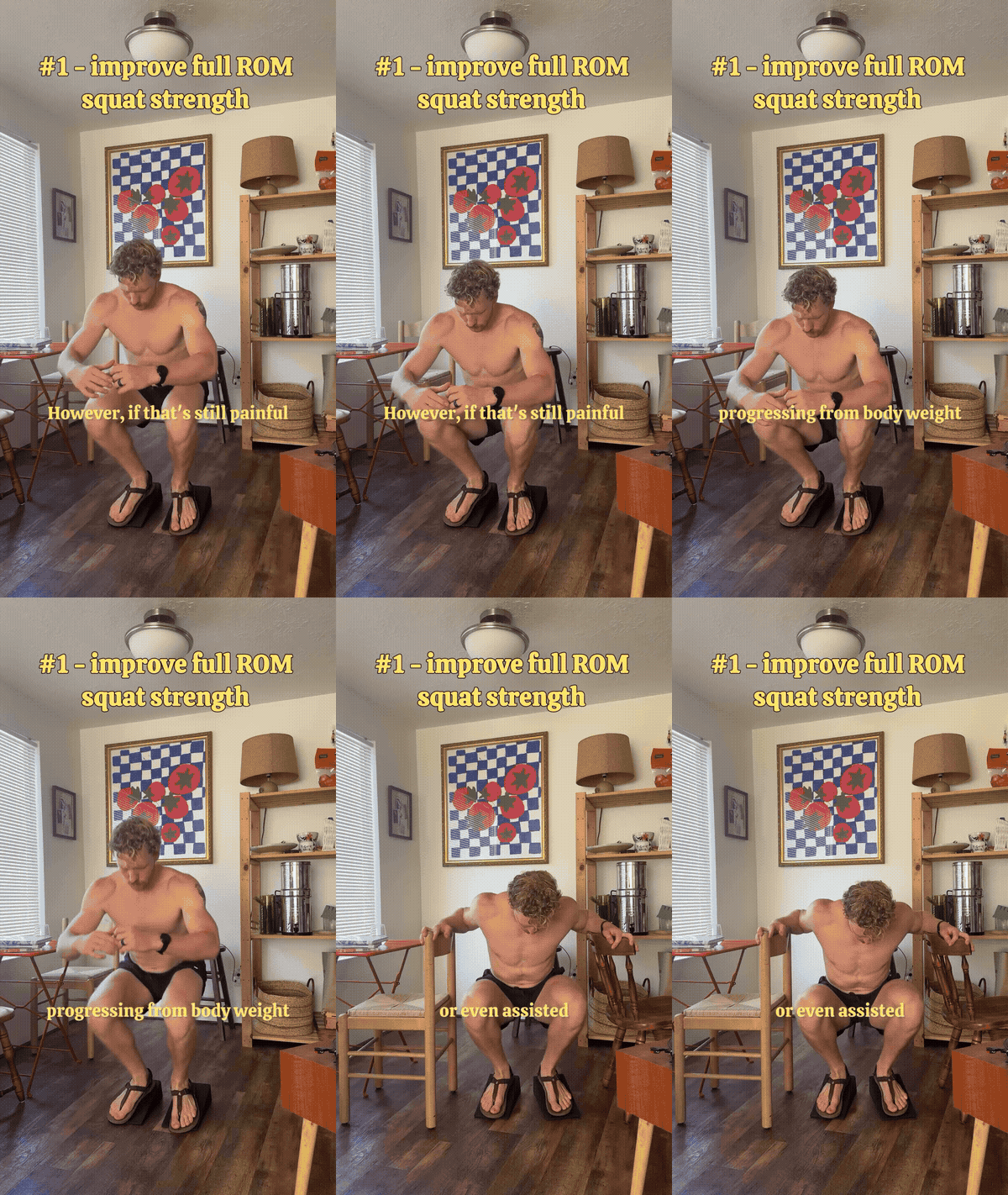
If the goblet squat is still painful, the starting point isn't a different exercise — it's the same pattern, unloaded. Sit to a box, hold support, and own the range.
- Sit to a chair, or hold a door frame / squat rack for balance
- Aim for the deepest position you can hit without pain
- Stand up without pushing off your hands or the seat
- Same tempo, zero load — earn the weight back as pain settles
Reverse Sled Pull
Pillar 2 · Knee extension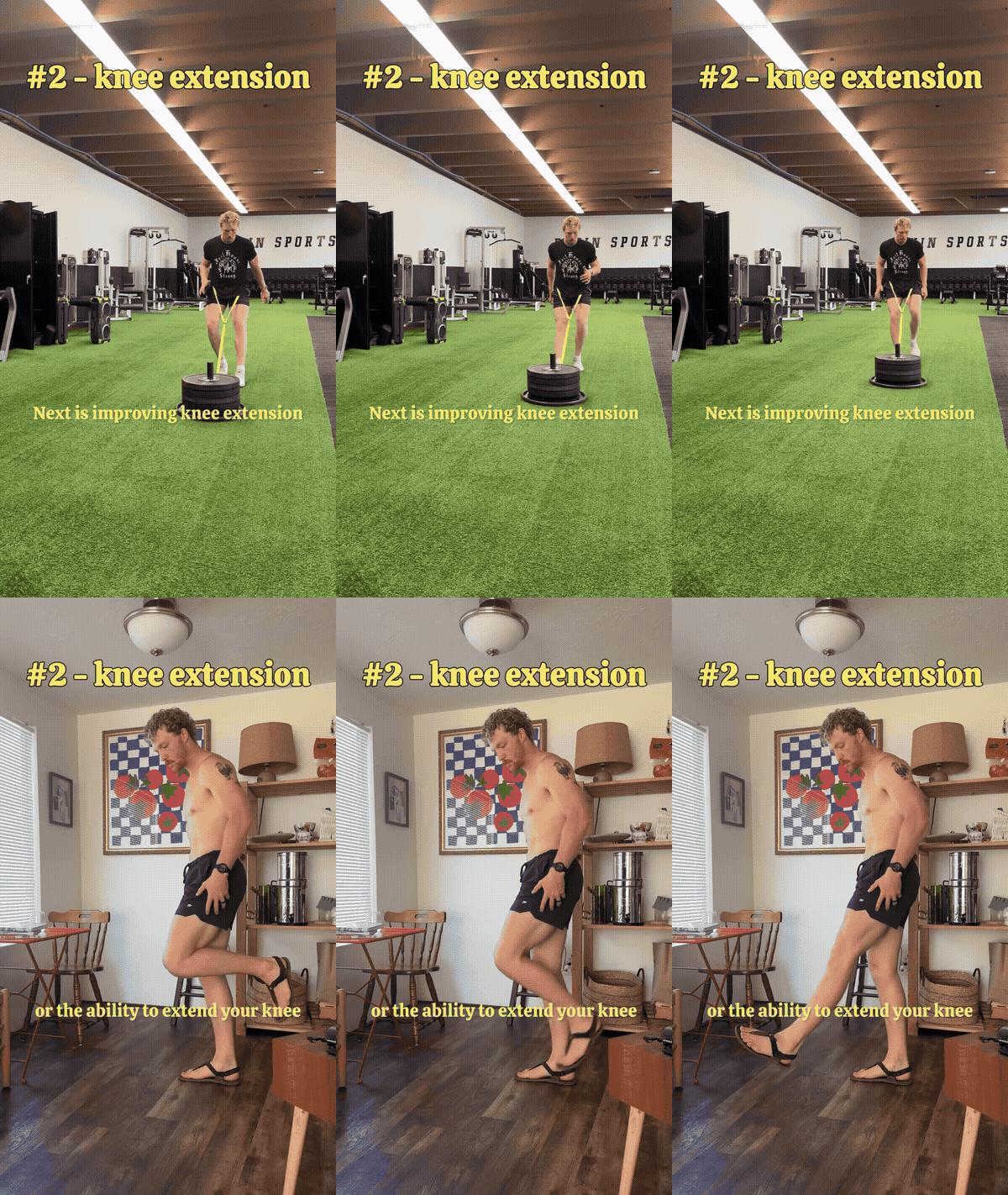
The sled is mostly concentric — you push, you don't lower — so it's pain-free for most people and doesn't leave you sore. It's the lowest-risk way to load the knee through extension.
- Harness or strap at the hips, stand tall, lean forward slightly
- Walk backwards with short steps, driving each leg to full extension
- Push the ground away — knee travels over the toes at the end of range
- Load in small jumps and keep it smooth; stop before pain, not at it
ATG Split Squat with 90° Pause
Pillar 2 · Knee extension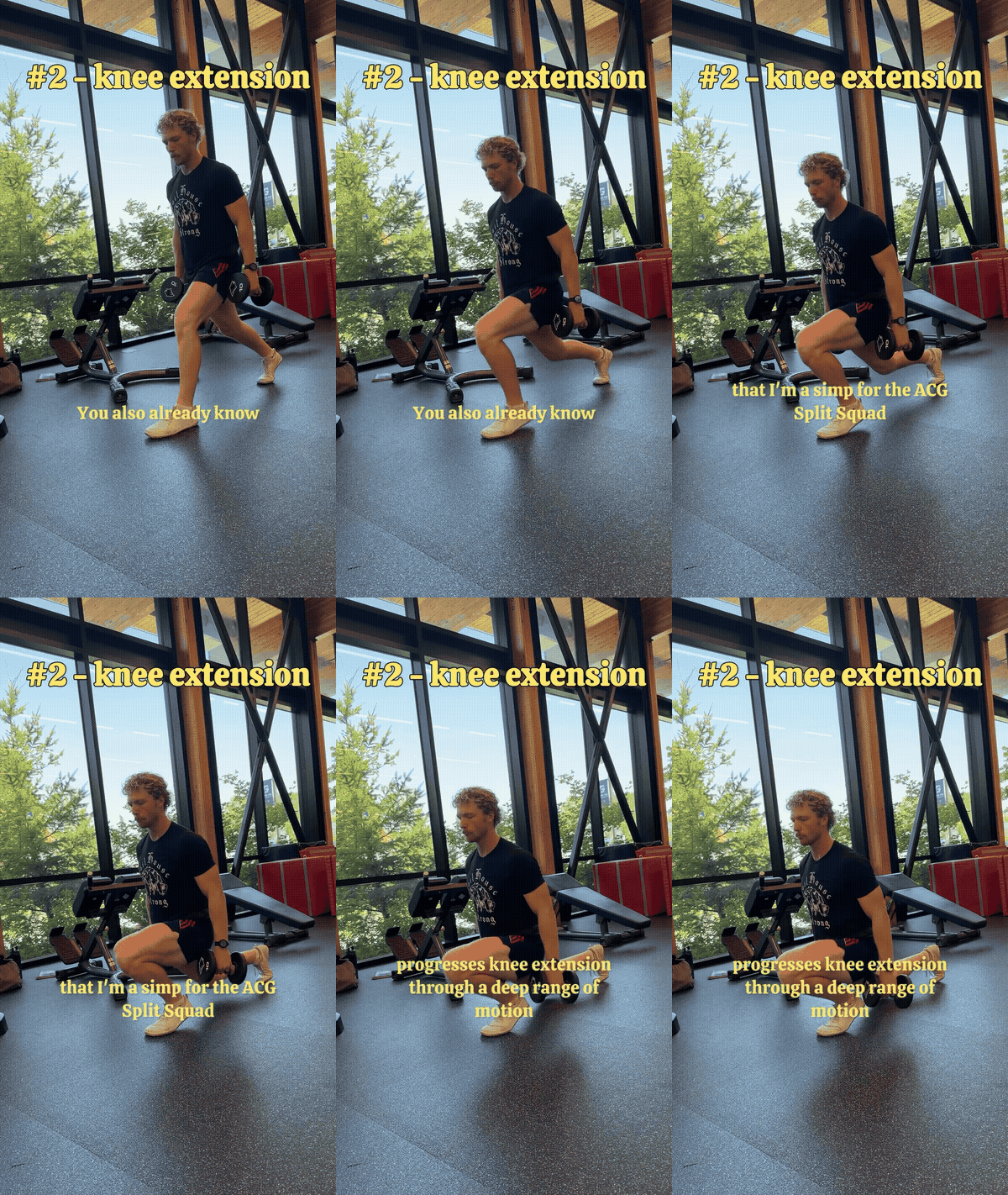
The ATG split squat progresses knee extension through a deep range of motion. The variation that earns its keep is the pause at 90° — you spend time owning the exact angle that usually hurts.
- Split stance, front foot flat (elevate it if you need more range)
- Descend slowly, back knee tracking toward the floor behind the front heel
- Pause 2–3 seconds at 90° — breathe, don't collapse
- Drive up through the front foot. Bodyweight first; dumbbells only when it's clean
Poliquin Step-Up
Pillar 2 · VMO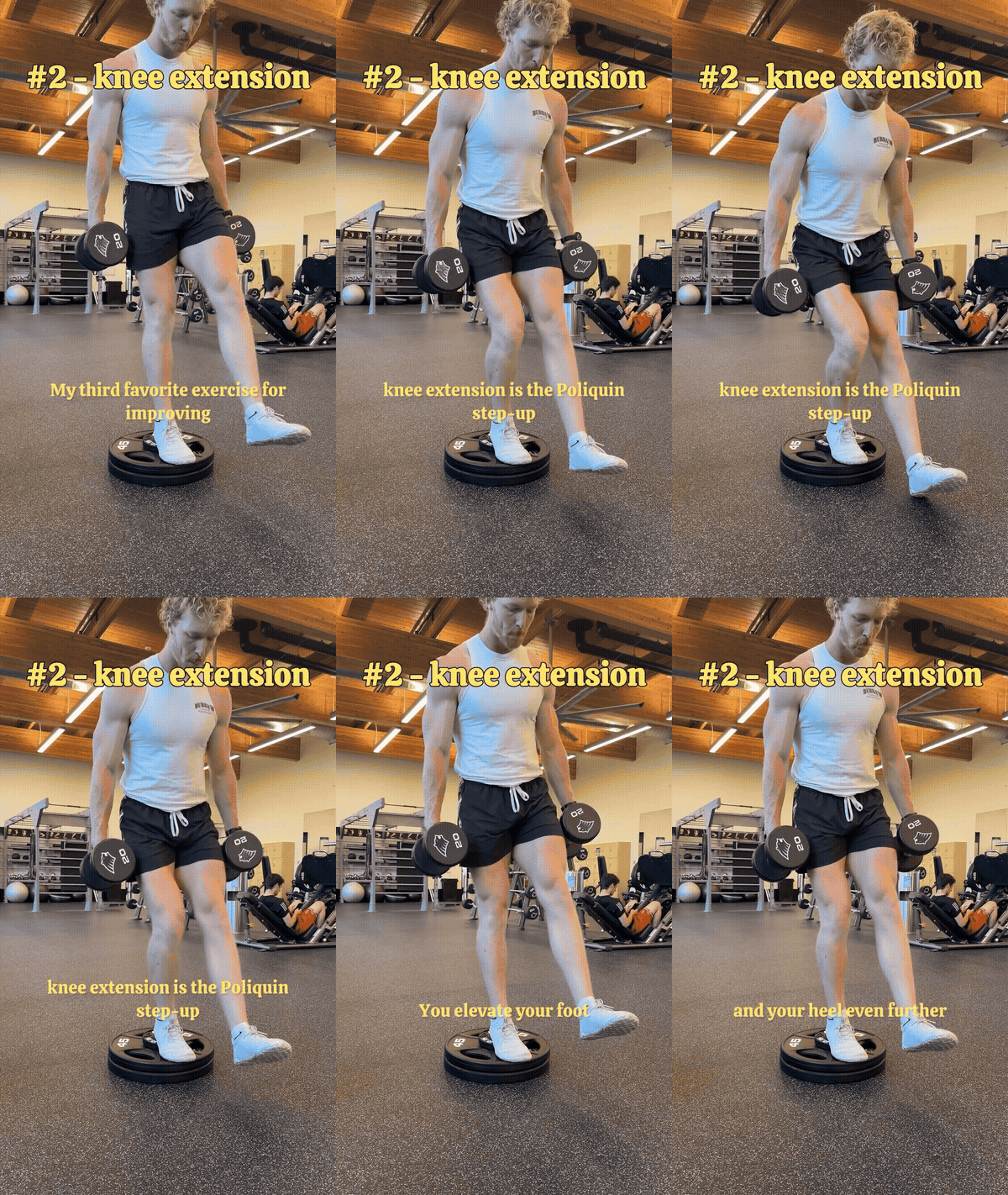
Heel elevated, slow on the way down, pause at the bottom. The reel's call: this hammers the VMO better than any other exercise he's done.
- Elevate the heel on a plate or wedge — that's the whole trick
- Stand on the working leg, foot fully on the step
- Lower for 3–4 seconds, pause at the bottom, tap and drive back up
- Don't push off the back foot. Regress to bodyweight or a lower step
Deadlift
Pillar 3 · Posterior chain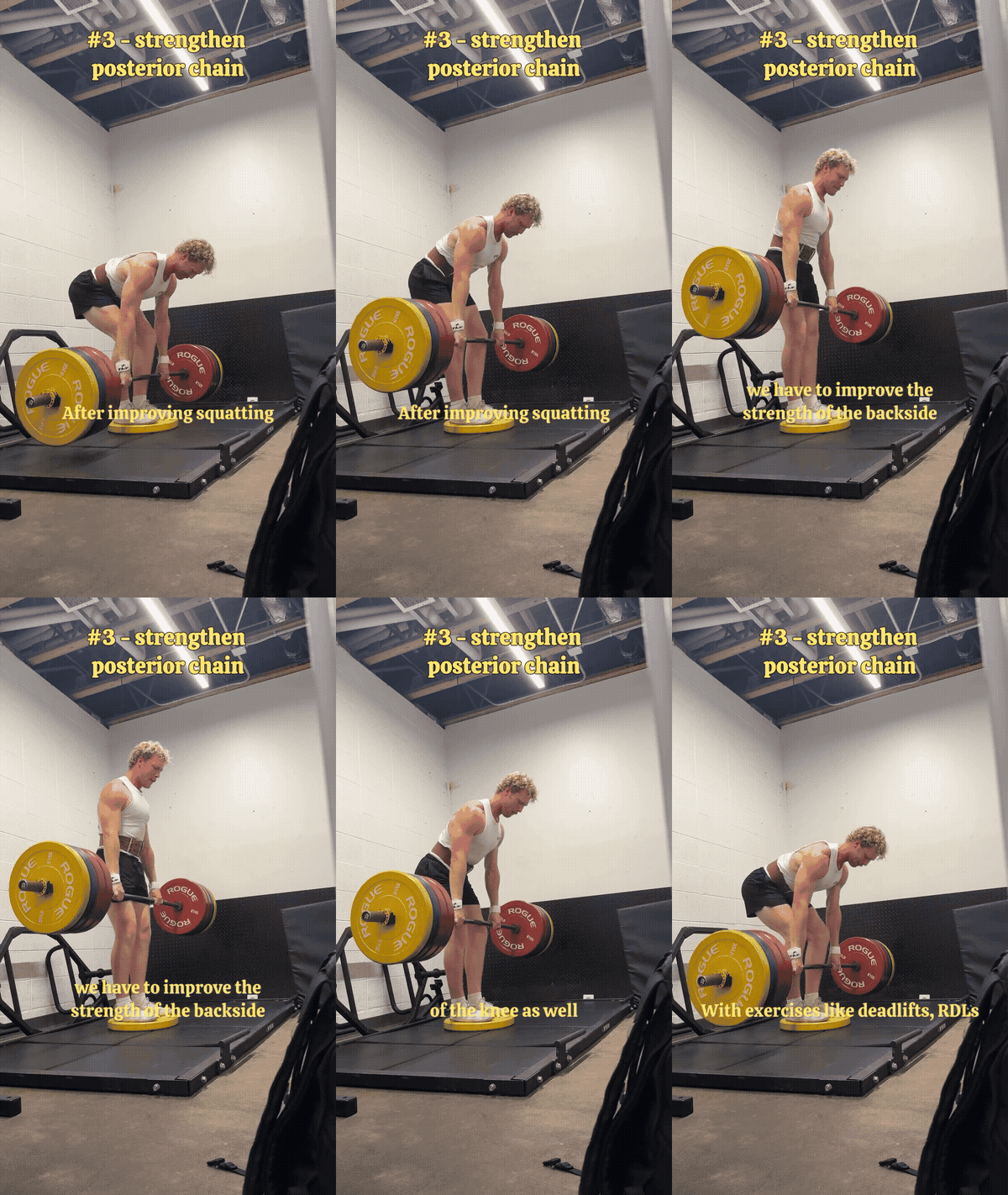
The backside of the knee matters as much as the front. Deadlifts are the anchor of that block — hips back, spine neutral, bar close.
- Bar over mid-foot, shins close, brace before you pull
- Push the floor away instead of yanking the bar
- Stand tall — squeeze glutes, don't lean back
- Light and perfect beats heavy and sloppy while the knee is settling
Back Extension
Pillar 3 · Posterior chain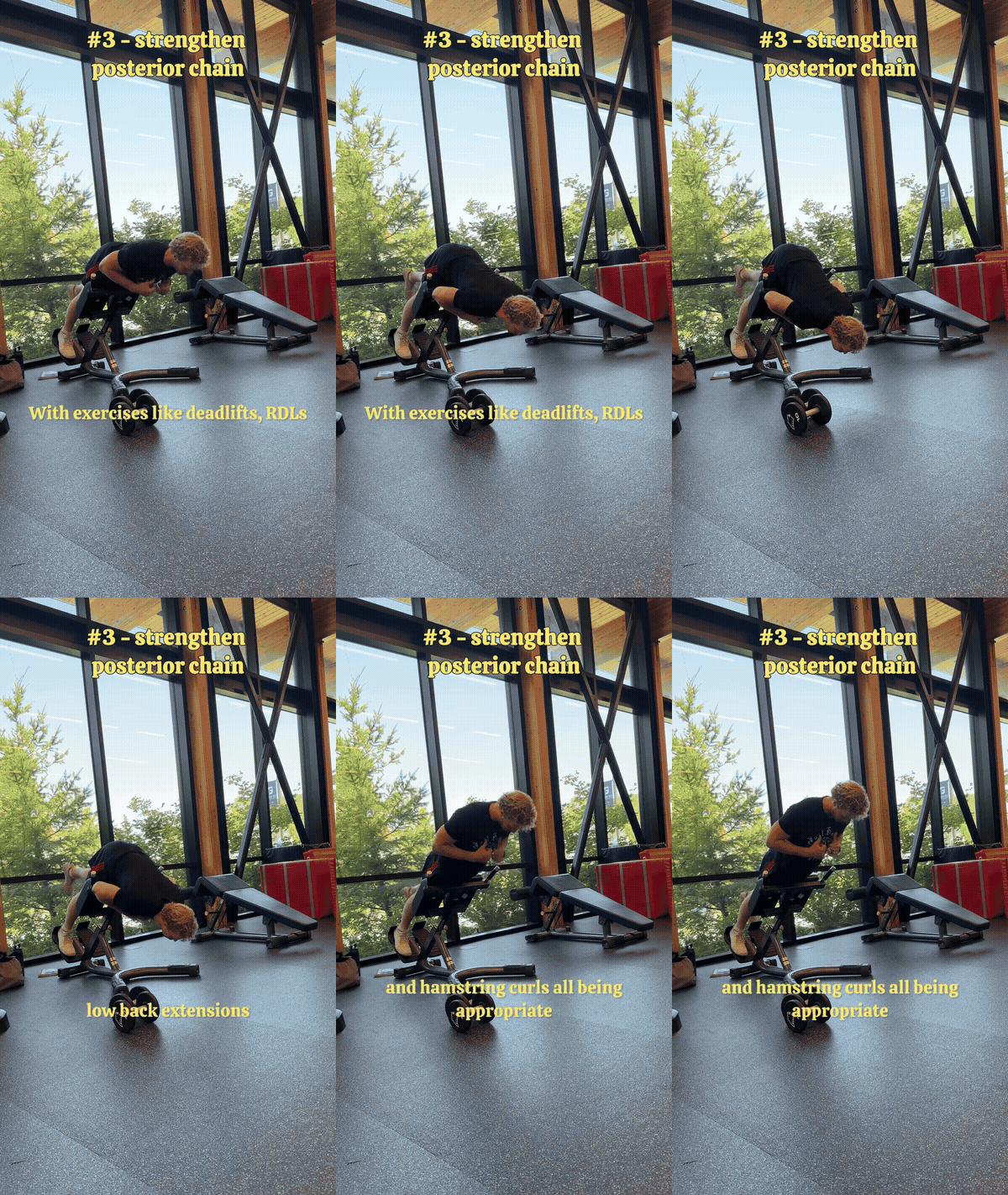
A low-back and hip-extension movement you can load gently and progress for a long time without beating up the knee.
- Pad at the hip crease, not the belly
- Lower under control, then extend until the body is one straight line
- Stop at straight — no hyperextension cranking at the top
- Add a pause at the top before you add plates
Hamstring Curl
Pillar 3 · Knee flexion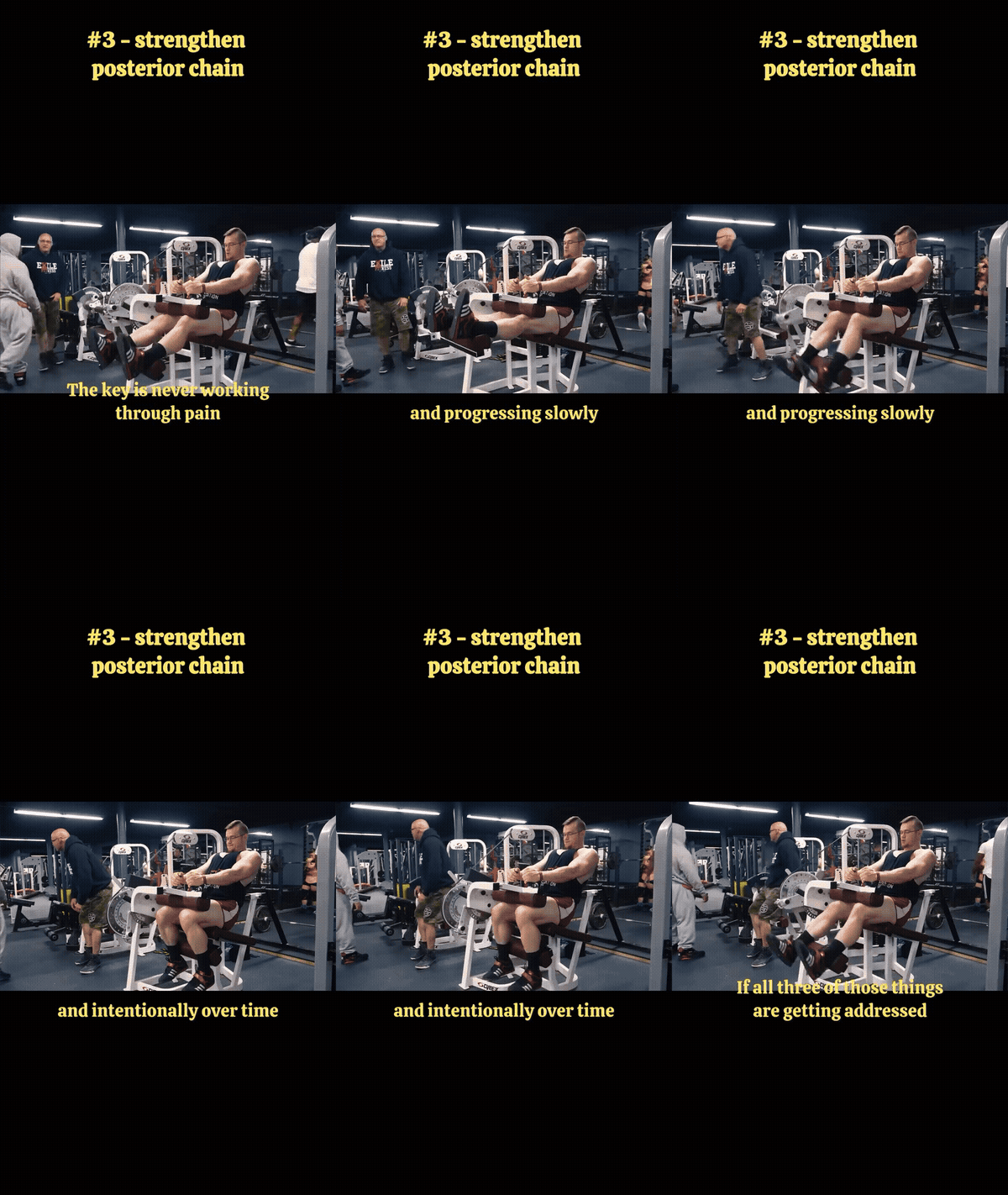
Direct knee-flexion strength — the direction nobody trains when their knee hurts, and the one that keeps the joint balanced front to back.
- Seated or lying machine — whatever the gym has
- Curl through the full range, pause briefly at the top
- Lower slowly, 3 seconds — the eccentric is the point
- Light load, high control; add weight only when the range stays full
Bulgarian Split Squat
Bonus · Lunge progression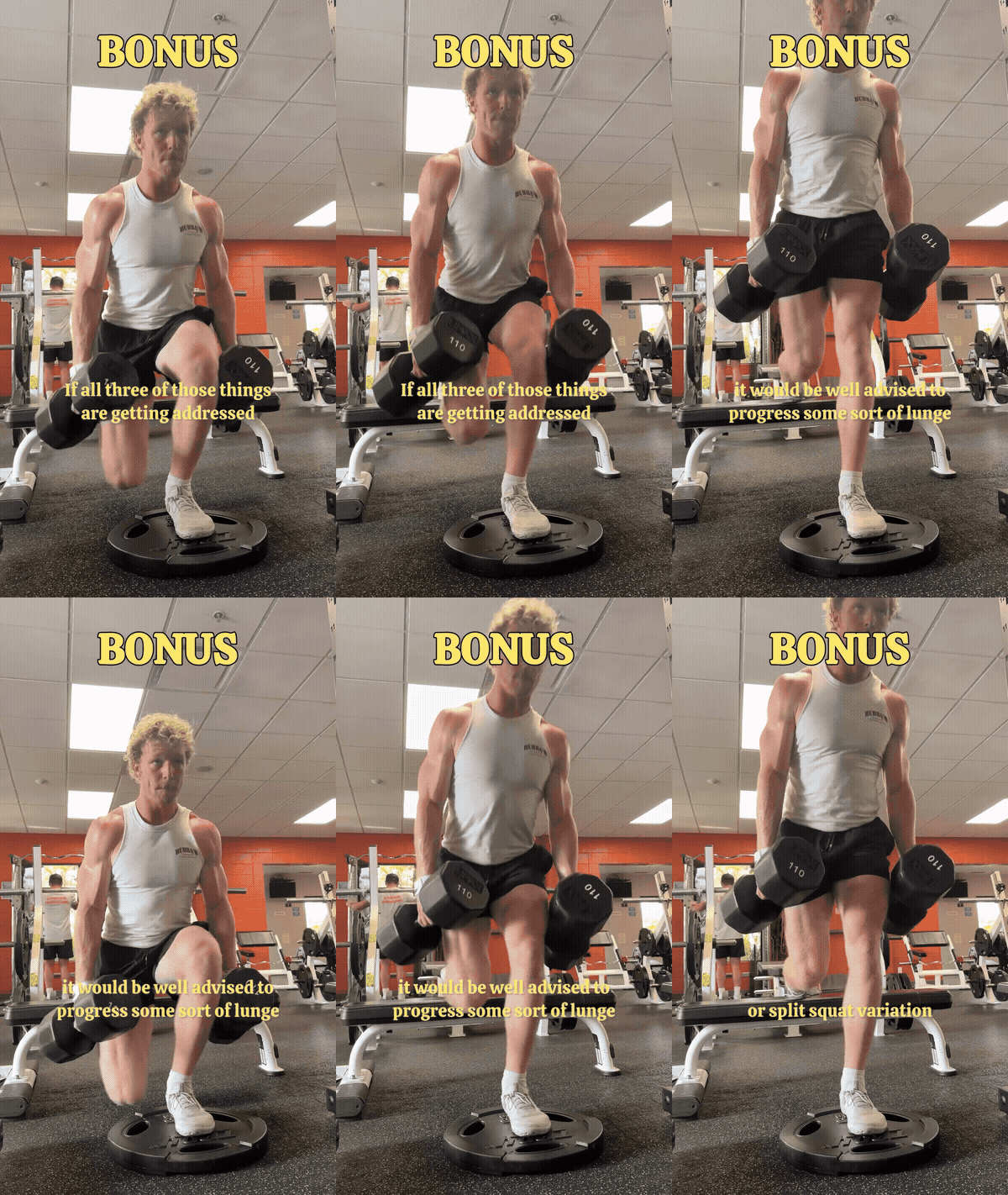
Once the three pillars are being addressed, progress to a lunge or split-squat variation. Rear foot elevated, front leg does the work.
- Rear foot on a bench, front foot far enough forward that the knee can travel
- Drop straight down, front heel down, torso slightly forward
- Drive up through the front foot — no hopping off the back leg
- Add dumbbells only after bodyweight is pain-free and controlled
Calf Raise on the Leg Press
Bonus · Calves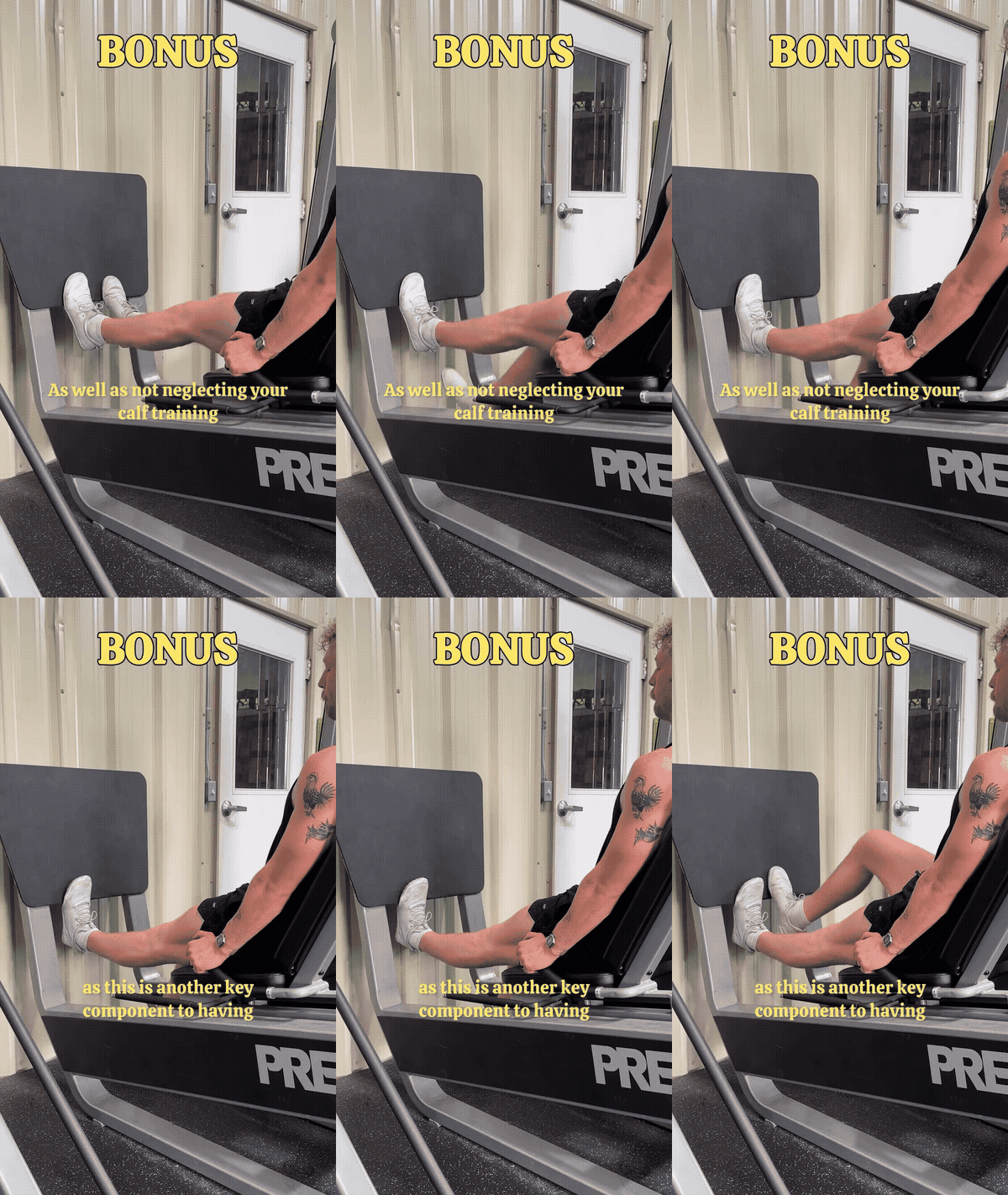
Calf training is another key component of strong, healthy knees — and the leg press lets you load it without vertical balance demands.
- Ball of the foot on the platform edge, knees soft but locked
- Let the ankle dorsiflex fully for a deep stretch
- Drive up to a hard plantarflexion, pause 1 second
- Slow lower. Full range of motion over heavy load
The four rules that make it work
Never work through pain. Sharp pain is information, not a challenge. Back the range or the load off until the movement is clean, then rebuild.
Progress slowly and intentionally. Strength is the goal of part 3, but the dose is small and repeated — not heroic and sporadic.
Address all three pillars. Squat pattern · knee extension · posterior chain. Skipping the backside is the most common way this stalls.
Sequence matters. Part 1 is daily blood flow. Part 2 is restoring range of motion. Part 3 — this guide — is strength on top of those.